
An AI assistant collected phone numbers in 58.8% of 165 dealership chats, but speed did not guarantee a useful answer. The missed questions suggest changes to test. Founder of the School of Troubleshooters Oleg Braginsky and student Maksim Golub examine the leaks and propose a better conversation flow.

Fig. 1. At the market gate, the buyer still has questions
The dealer behind this case stays unnamed; the setup does not. A regional dealership sells new cars through a classifieds marketplace. The first point of contact is an artificial intelligence (AI) assistant called Alex. Its commercial goal is to obtain a phone number for a human sales manager.
The raw material is an export of 165 chat dialogs covering four months. Client numbers are masked, so success means a phone number recorded in the export. Alex meets that criterion in 97 dialogs: a conversion rate of 58.8% from chat to contact. The dataset does not establish whether those contacts became sales.
Speed is not the weak spot. The median first reply arrives in 24 seconds, and nine dialogs out of ten receive an answer within 43 seconds. Every conversation is paid traffic: the dealer buys each incoming lead from the marketplace, so the acquisition cost is incurred before a manager receives a contact.
What are we solving?
We framed the work as four questions, from diagnosis to validation. The chat logs reveal where conversations stall and suggest changes to test. Commercial impact and proof require further evidence from the dealership. The article follows that sequence:
- Locate the exact points where dialogs lose the phone number.
- Design mechanics that close the leaks without new traffic.
- Size the commercial effect for the dealer.
- Pick metrics that prove it.
What does the funnel show?
The dataset card (Fig. 2) records 418 client messages, 334 assistant replies and a median first response of 24 seconds. The assistant answers quickly, so the next question is what it says and when it asks for contact. Speed alone does not explain why a conversation ends without a phone number.
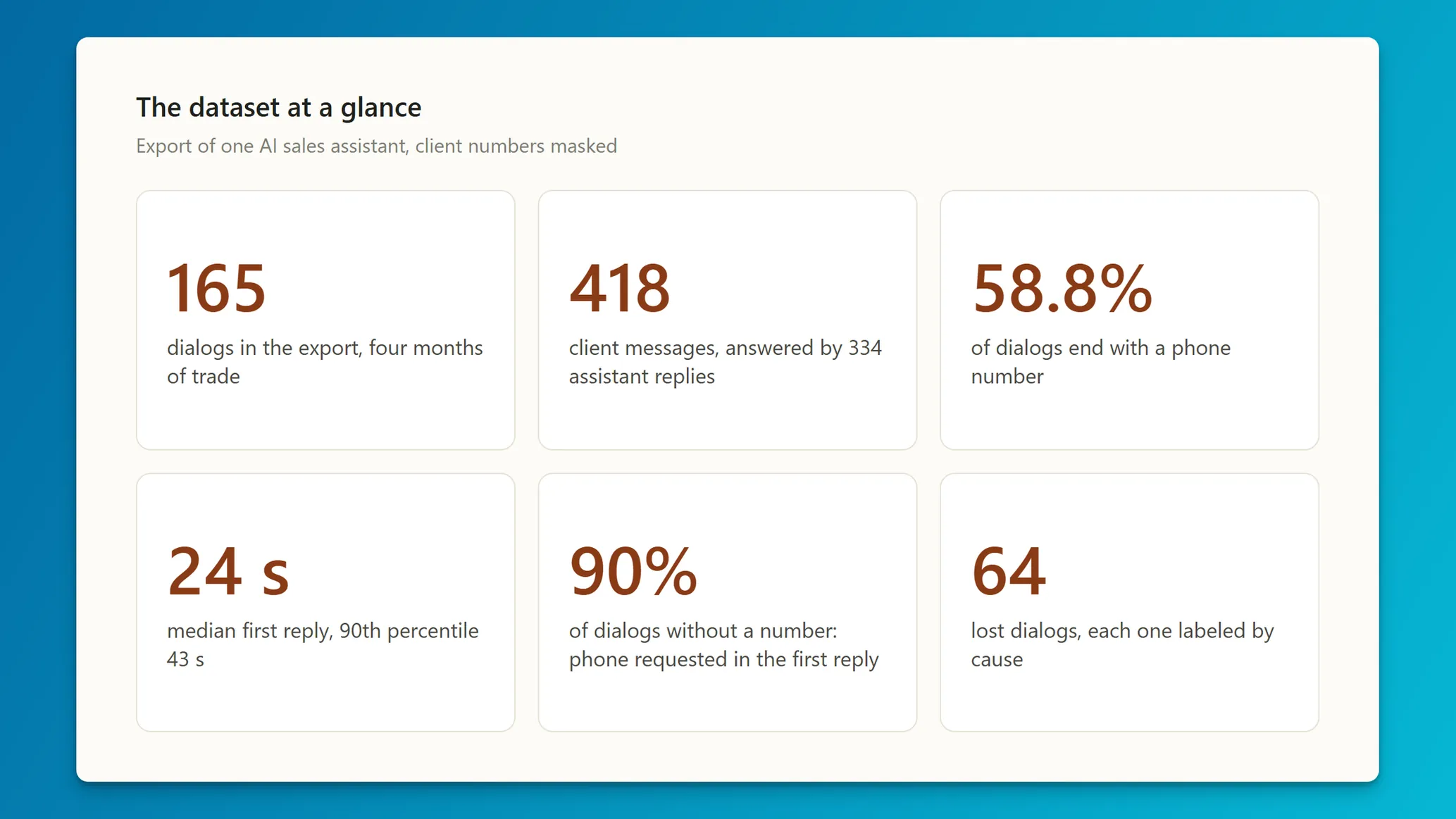
Fig. 2. Fast replies leave the contact question open
The funnel separates 161 relevant leads from the full export: one dialog was spam and three clients immediately switched channels (Fig. 3). Alex replied in 156 dialogs, requested a phone number in 132 and obtained 97 numbers. Across the full export, about four conversations in ten ended without a contact.

Fig. 3. The funnel narrows before the handover
Dialog depth shows another association (Fig. 4). With one client message, 26% of dialogs ended with a number; with two, 67%; with three, 81%; and with four or five, 89%. The share fell to 82% at six or more messages. Longer conversations often accompanied conversion, but do not prove its cause.
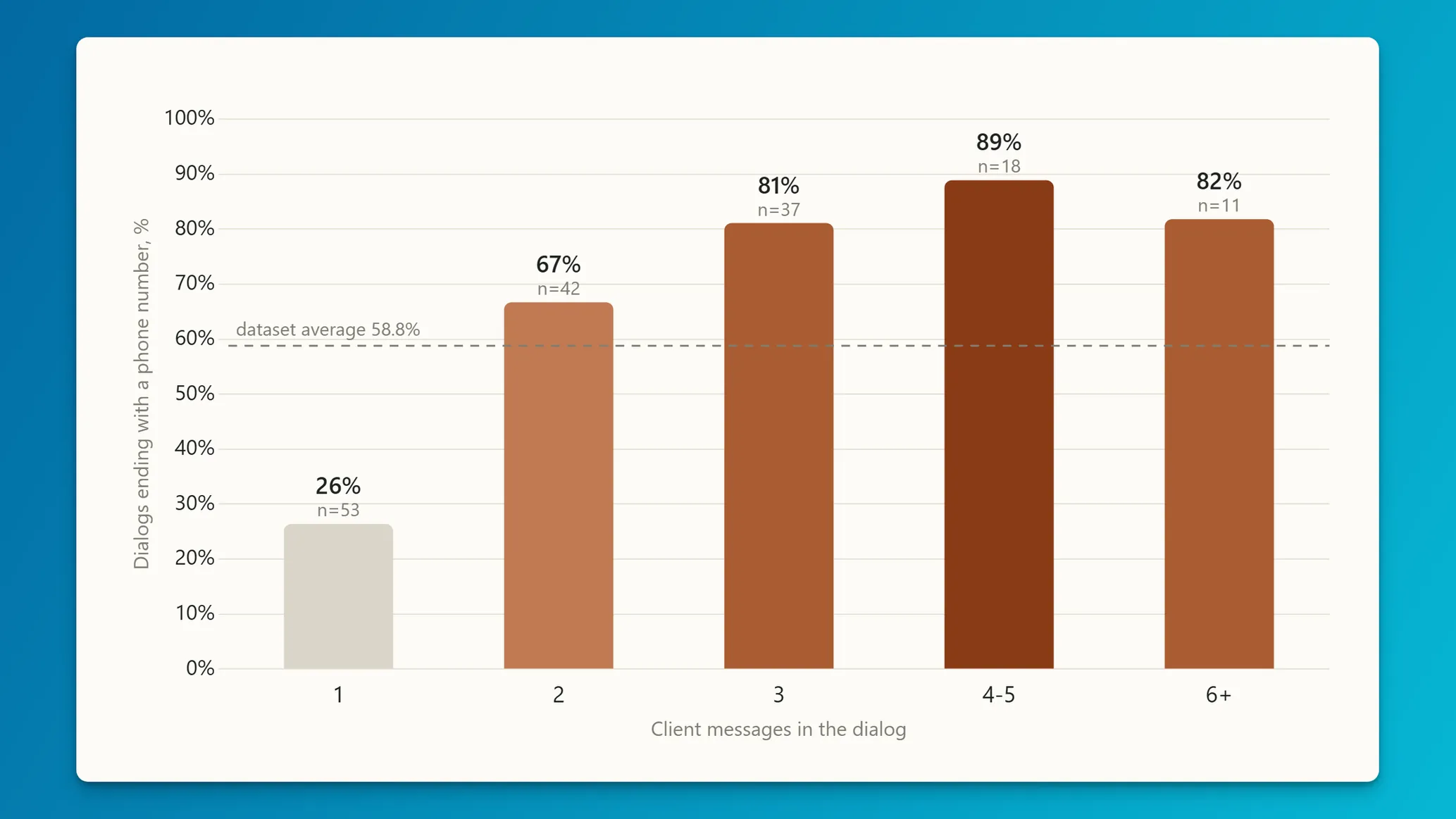
Fig. 4. Longer conversations accompany more shared numbers
A translated dialog illustrates the pattern (Fig. 5). The client asks about availability and the final price. Alex quotes a starting figure and requests a number, then refers questions about discounts and credit to a manager. The number never arrives, and the marketplace closes the thread after 24 hours.

Fig. 5. A starting price opens the chat; the details stay out of reach
The phone request usually comes early. In 145 dialogs, the client did not volunteer a number in the opening message. Alex requested it in the first reply in 130 of those cases, about 90%. Within that group, 57% ended with a number. That association alone does not show whether asking early helped or hurt.
Picture a shop assistant asking for your home address before learning what you came to buy. Some customers may comply; others may step back. The analogy captures the risk in chat: requesting contact asks for trust, while a useful answer gives the client a reason to continue.
The one-message dialogs contain a sharper finding. Of the 53, 31 included a real question, and none of those 31 ended with a number. The logs show silence after the first reply, not what the client read or thought. Those cases account for about a quarter of the 130 dialogs containing a real question.
Deflection is another warning sign. In 73 dialogs, Alex used a variation of “the manager will clarify”; 53% ended with a number. In the 88 without that wording, the share was 66%. The comparison does not isolate causality, but suggests testing whether a direct answer earns more trust than a referral.
Where does the money leak?
We examined a separately labeled subset of 64 lost dialogs (Fig. 6), rather than treating it as identical to all 68 losses. In 34 cases, 53%, the requested fact was missing: a price, payment or stock status. Another 15 had unclear client intent, and 11 were labeled as overloaded by a long reply.
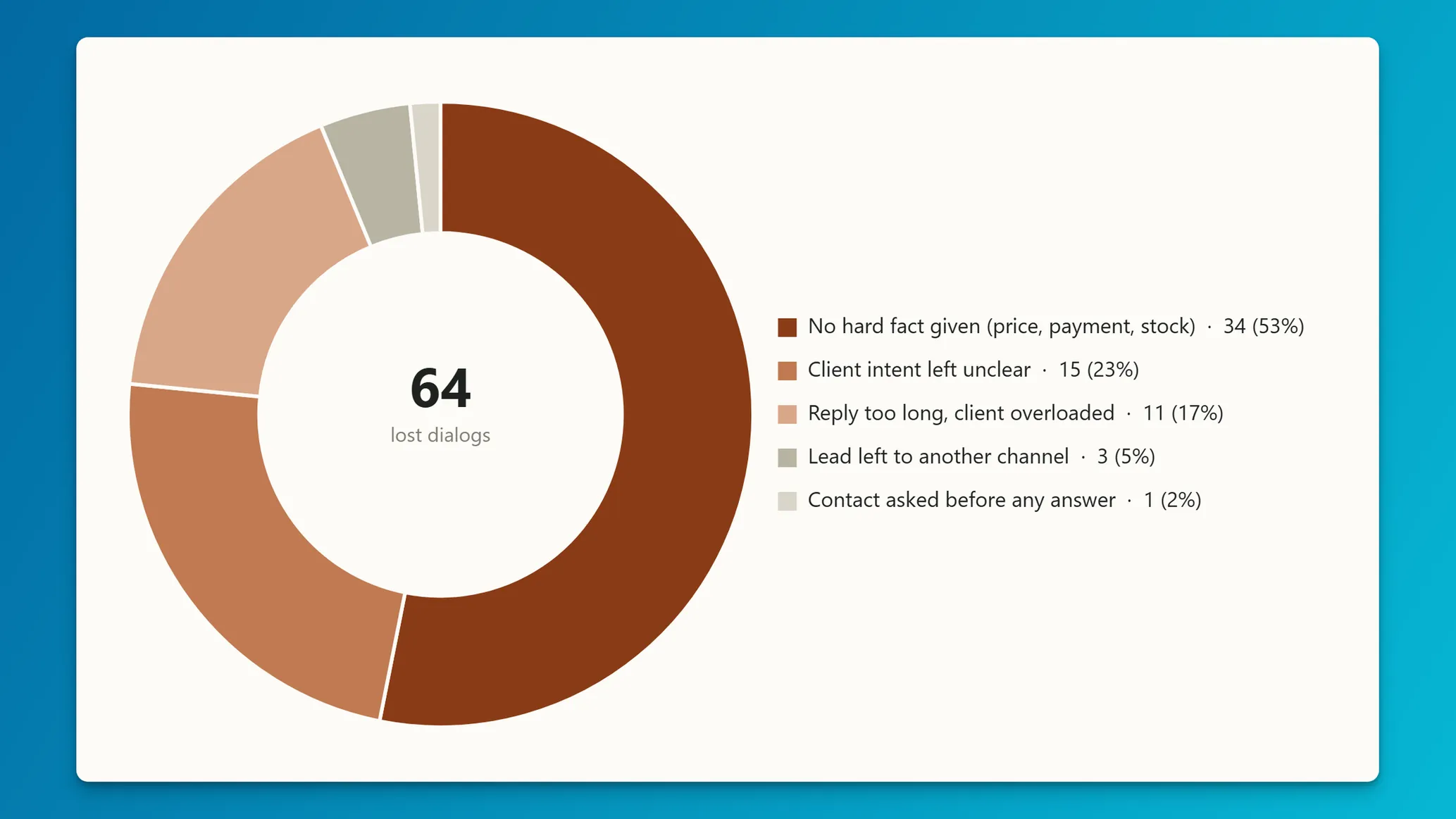
Fig. 6. The missing fact dominates the labeled losses
In 16 of the 64 labeled losses, the final assistant reply contained no contact request. Across replies, 42% with a request were followed by a phone number, versus 7% without one. That association does not justify asking in every message: timing and context still need testing.
Reply length also correlates with the outcome. First replies under 200 characters converted 82.5% of their dialogs; those of 600 characters or more converted about one in three. Shortening alone may not explain the difference: simple questions and clients already offering a number can also produce short replies.
Price and credit questions account for 65 dialogs, converting at 52% against the overall 58.8%. Those intents contributed 31 of the 68 losses, about 46%. The translated example shows the problem (Fig. 7): finance terms are listed, but the requested payment is not calculated.
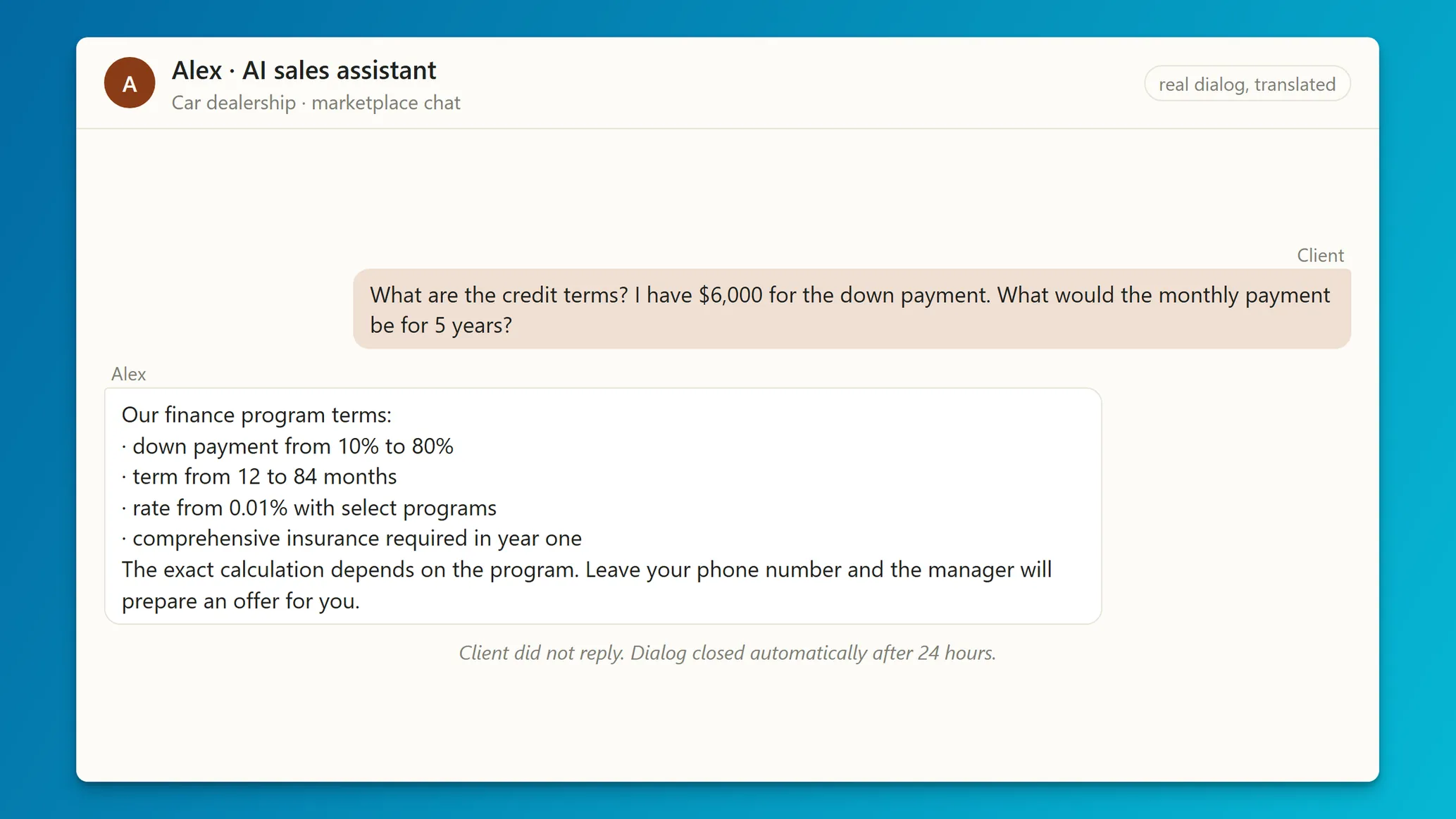
Fig. 7. Credit terms arrive, but the monthly payment does not
Availability is another weak point. Across 34 dialogs about a specific car, 53% ended with a phone number, not a contract. In ten lost cases, Alex could say the car was in transit but could not give an arrival date (Fig. 8). A precise stock question provides a concrete next step to address.
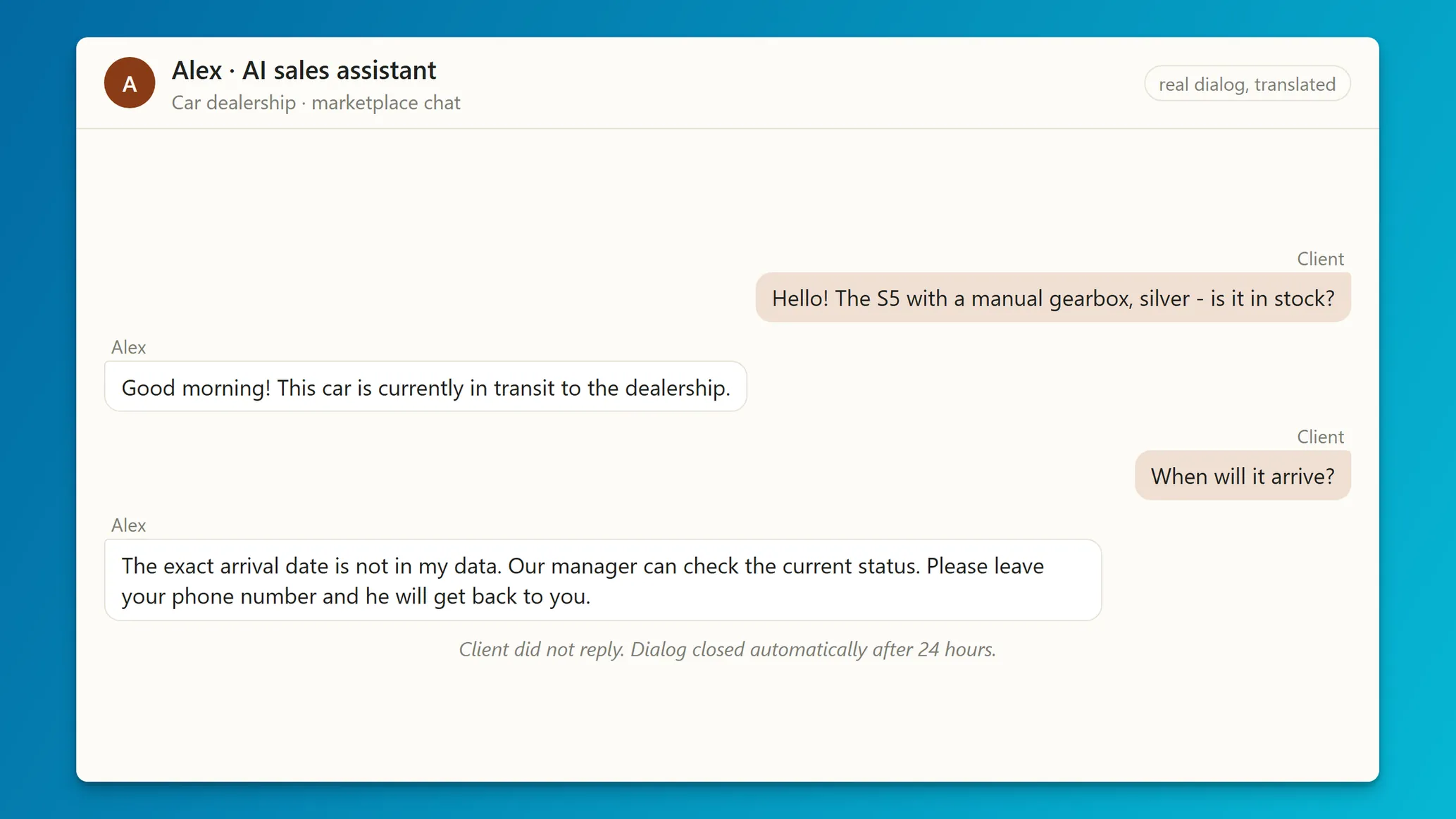
Fig. 8. The car is on its way; the arrival date is still missing
The intent labels cover 161 leads. Ready-to-buy clients converted at 81% across 16 dialogs, comparison shoppers at 59% across 32, and cold leads at 58% across 113. The last two groups total 145, about 90% of the classified leads. Their starting intent must be considered when judging the assistant.
Price presentation suggests a smaller test. Dialogs quoting one price converted at 64% across 36 cases; those quoting a base price and a discounted figure converted at 53% across 30. Price confusion was noted in eight labeled losses. A clear price with its conditions is a useful hypothesis, not a proven remedy.
What closes the leaks?
The proposed mechanics address the recorded gaps and improve the information passed to a manager. The logs guide priorities, while the effects remain hypotheses. We kept four mechanics, starting with the largest gap:
- personal deal calculation – use the down payment, term and trade-in to estimate a payment in chat;
- live inventory with a next step – give the stock status and offer a booking, test drive or arrival alert;
- a phone request after value – answer the question, calculate where relevant, then offer contact;
- lost-demand recovery – follow up on warm dialogs that went silent.
The calculation mechanic gives the client something useful before asking for contact. Alex could show an estimated payment for the selected car and stated terms, then offer a trade-in calculation. A manager would receive the assumptions behind the estimate, rather than a bare number or an unsupported promise.
The proposed rewrite of the credit dialog is a concept, not an observed success (Fig. 9). A $6,000 down payment leads to an illustrative payment range, followed by a trade-in question and a contact request. The example figures and promised response time require confirmation before use with real customers.
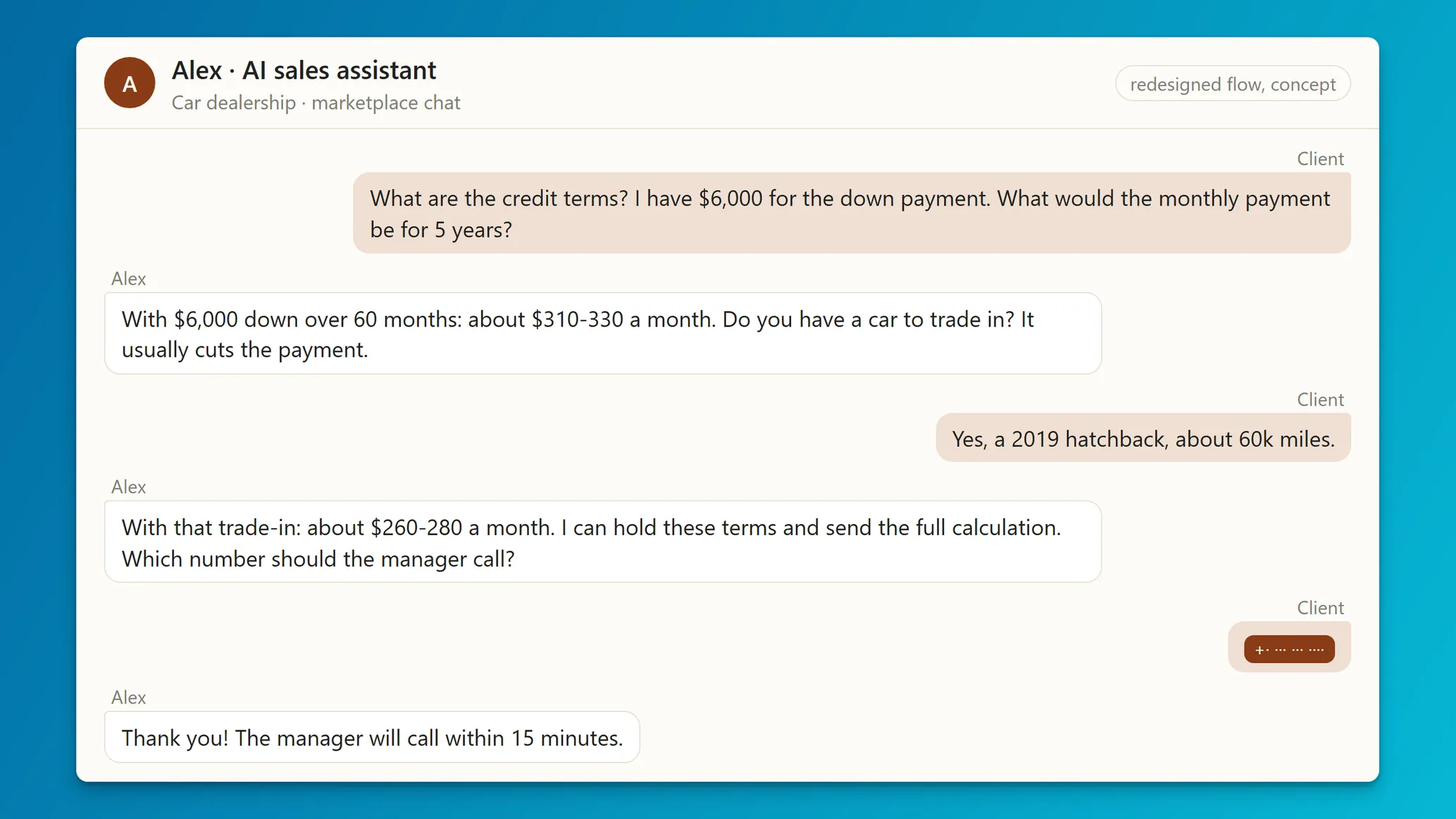
Fig. 9. A payment comes first in the proposed conversation
Successful dialogs offer clues: an answer followed by a direct request in 37 of 97 cases, a concrete number in about 30%, and volunteered contact details in about 20%. Those recorded routes cover 86 successes. The proposed changes focus on clients who still need information.
The inventory mechanic gives the stock answer a next step. A car in stock can lead to a reservation or test drive; a car in transit, to a confirmed date or arrival alert; an unavailable trim, to alternatives. Where the date is unknown, Alex should say so and offer a specific check, rather than invent certainty.
Recovery targets the silent group. Of 130 dialogs containing a real question, 99 clients wrote again after the first reply and 75 of those, about 76%, supplied a number. None arrived in the 31 without a second message. That pattern identifies a group for a follow-up test; it does not prove a nudge will recover them.
How much is it worth?
The dataset contains no sales outcomes. The ranges in Fig. 10 are expert estimates to validate against the dealer’s customer relationship management (CRM) data: 8–15% additional sales for personal calculation, 5–12% for live inventory, and 5–10% each for better-timed phone requests and recovery.
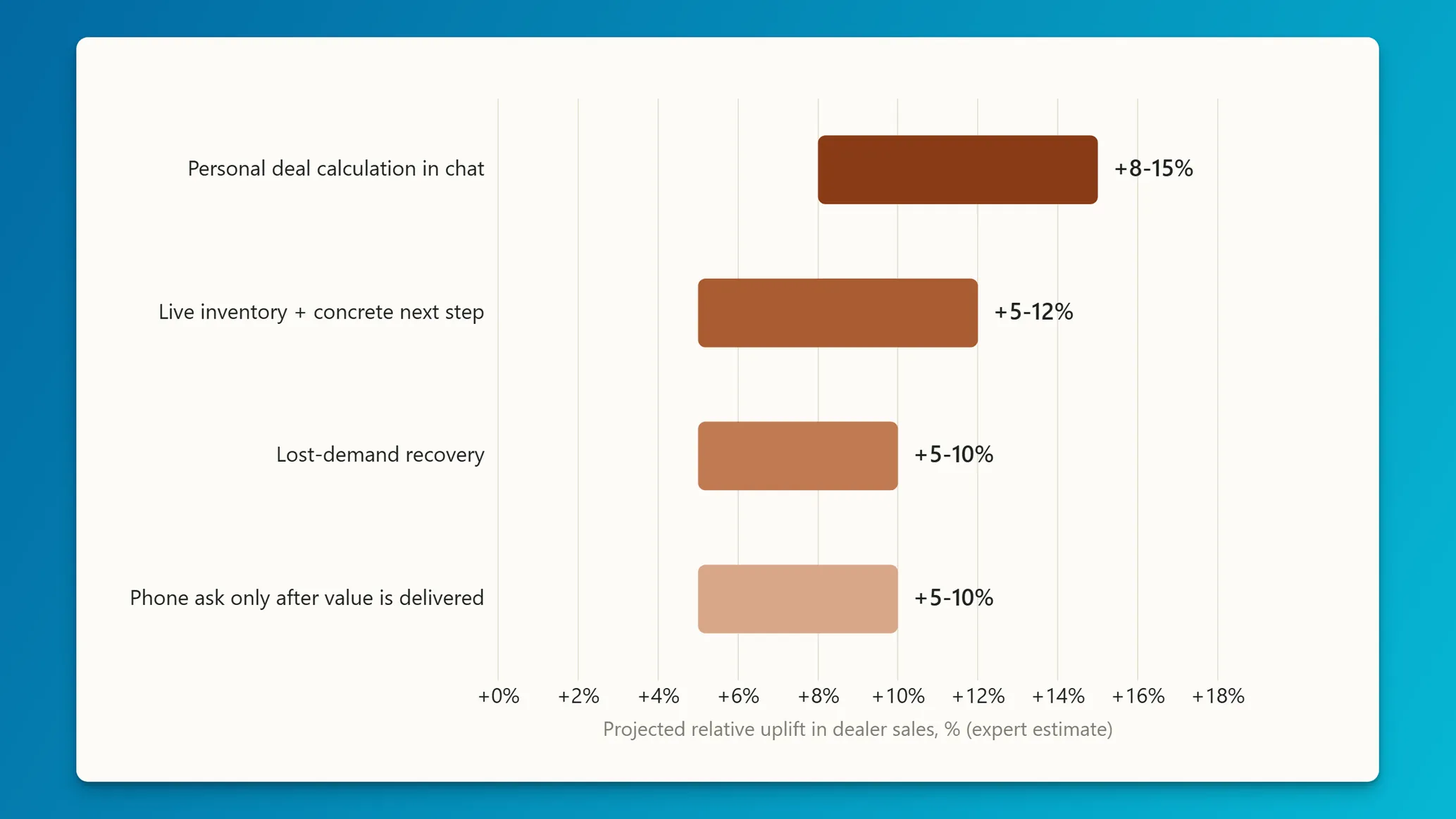
Fig. 10. Four growth estimates still await a sales test
A contact-conversion scenario assigns three percentage points to better requests, six to inventory and credit calculation, and four to trade-in valuation. Added to a rounded 60% baseline, the estimates give about 73%, a relative increase of roughly 22%. These are assumptions, not measured gains.
The sales ranges should not be added because the mechanics can affect the same clients. Combined relative sales growth of 20–35% remains an expert scenario, not a result demonstrated by the chats. Higher subscription pricing needs evidence of additional profit after software, integration and servicing costs.
What proves the result?
Three metrics connect the proposed changes to business outcomes. Dialog IDs linked to deals in the dealer’s CRM support the first two; the vendor’s billing records support the third. Product participation shows involvement, while a controlled comparison is needed to estimate additional impact:
- dealer contribution from assisted deals – car, credit, insurance and trade-in income, less costs;
- share of sales involving the product – for illustration, 120 of 500 monthly sales would be 24%;
- net revenue retention (NRR) – a cohort’s ending recurring revenue relative to its starting level, including expansion, downgrades and churn.
Answer the question before asking for the number. Then track where clients still drop out, use what each dialog reveals, and test whether the revised flow produces contacts worth following up. Keep human judgment in the loop: the logs can reveal a pattern, but the next experiment must establish what works.